 AUSTRALIA · CONVEYOR BELTING
Define the duty
Material, capacity, speed, conveyor geometry, environment, failure history and operational consequence.
Technical Centre
Selection, compound development, product validation and standards compliance are treated as connected technical disciplines—not isolated data points.
Selection & specification
The carcass determines tensile capacity, elongation, flexibility and splice pathway. The cover protects the carcass from the operating environment. Breakers address structural impact and rip risks. Thickness, edges, splice materials, testing and packaging complete the supply specification.
Separating these decisions helps explain why two belts with the same nominal strength can perform differently—and why a single laboratory property is not a universal service-life prediction.
Review Belt Solutions ↗Material, capacity, speed, conveyor geometry, environment, failure history and operational consequence.
Tension, safety factor, elongation, pulley diameters, take-up, transition, troughability and splice strategy.
Abrasion, cut and gouge, impact, fire, temperature, oil, chemicals and rolling resistance.
Thickness, edges, breakers, splice materials, inspection, testing, reels, packaging and delivery plan.
R&D & compound development
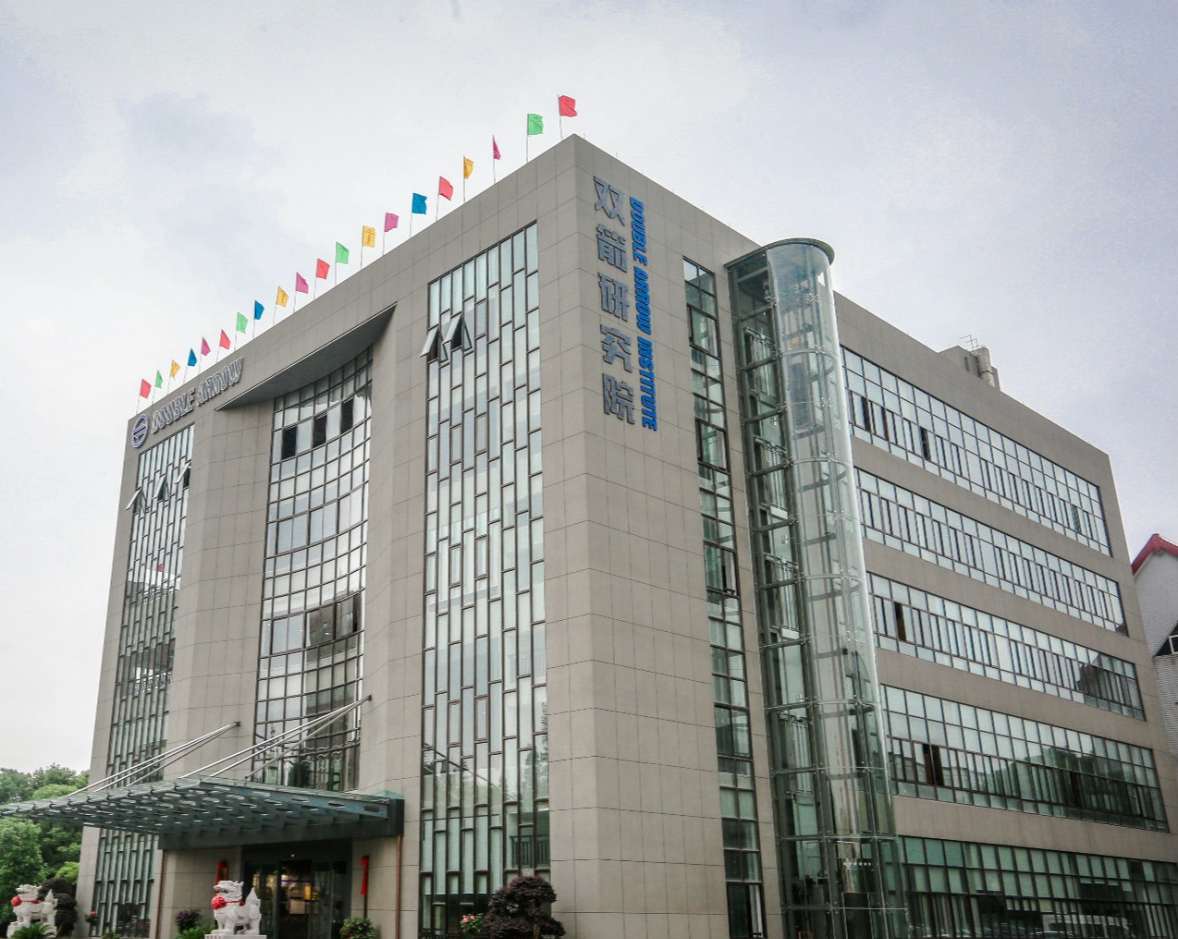
Double Arrow's 6,000 m² research platform brings together materials analysis, rubber formulation, product design and belt and splice testing. The institute supports new-product development, customer-specific technical work and collaboration with universities and research organisations.
Testing & product validation
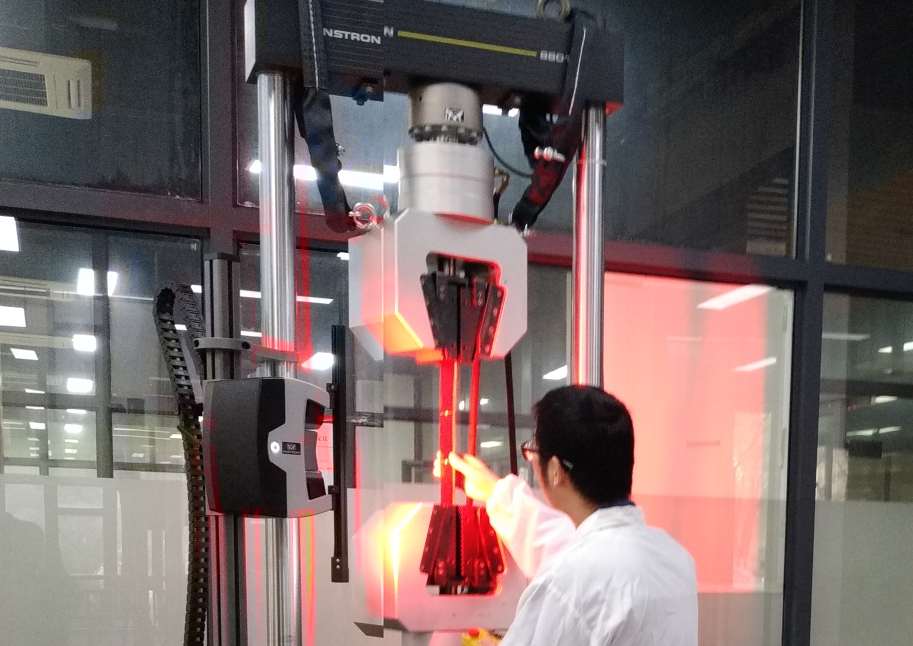
Testing is selected to answer a defined technical question: conformity to a published requirement, comparison between development options, verification of a production characteristic or investigation of an operating issue.
Polymer and compound investigation using techniques including GC-MS and FTIR.
Vulcanisation, dynamic viscoelasticity, tensile, elongation, adhesion and abrasion-related assessment.
Carcass strength, cord or ply arrangement, cover and skim adhesion, transverse behaviour and dimensional control.
Static and dynamic assessment to support project-specific splice design and validation.
Pulley-side compound assessment and indentation rolling-resistance work for defined conveyor conditions.
Structured evidence review linking observed damage to the belt, material, transfer, conveyor and operating context.
Standards & compliance
Strength designation, construction and cover-class requirements for fabric belting.
Steel-cord belt construction, designation and performance requirements.
Test methods used to verify belt and rubber properties referenced by specifications.
Grade S fire-resistant and antistatic requirements for underground coal applications.
Published cover-rubber classifications are shown with the corresponding AS numerical requirements on the compound pages.
General-purpose or aboveground fire-resistant and antistatic belting. It is not presented as underground AS Grade S.
Australian underground coal pathway requiring assessment of the complete belt construction under AS 4606.
Heat, cold, oil and chemical resistance are separate functions and are matched to defined exposure conditions.
The applicable edition, customer specification and required evidence must be confirmed for each enquiry. Published standard classifications are distinguished from Double Arrow proprietary test data.
Public data policy
Where Australian Standards publish minimum or maximum requirements, the website shows those figures directly. Double Arrow's own comparative performance is presented qualitatively or through indexed bar charts so the selection logic is useful without disclosing commercially sensitive formulations or exact internal test values.
Need help specifying a belt?